
How Product Branding Makes Your Business Unforgettable
If you’re a small business owner, you already wear enough hats. Sales. Marketing. Operations. Customer service. And somewhere in that mix, product branding might quietly fall to the bottom of the list.
Here’s the truth, though: your overall brand gets people interested. But it’s your product branding that gets them to remember you. If you want to grow something that lasts, your products need their own identity, not just your company logo stamped on top.
Today, we’re breaking down product branding with expert insights into how this approach supports business growth.
What is product branding anyway?
Product branding is the intentional identity you give a specific product or service. It’s not just a name or a label. It’s about the personality of the product, the tone it speaks with, the way it looks and feels, the promise it makes, and the experience it delivers to your customers.
Strong product branding makes your product instantly recognizable. Customers can spot it on a shelf, scroll past it online and pause, or hear its name and know exactly what it stands for. That kind of clarity builds trust, and trust builds growth.
Product branding vs business branding?
Think of it this way: business branding is the tree, while product branding makes up each branch of the tree. Your business brand tells the world who you are overall through your mission, values, personality, and visual identity.
But product branding zooms into the meat behind the business. It allows each product or service to stand out on its own while still being connected to the larger story of your brand. And this is especially important for small businesses.
You may not have dozens of product lines. But if you have things like signature services, tiered packages, specialty offerings, or seasonal launches, each one deserves intentional positioning. Effective product branding doesn’t just ensure customers remember your company. It’ll also ensure they remember the product.
Related: Your Guide to Corporate Branding
Why is product branding so important?
Big brands have massive budgets. You don’t need one. What you need is clarity. When your product branding is intentional:
Your marketing becomes more efficient
Instead of scrambling for what to say in every campaign, you’re reinforcing a clear story. Your messaging, visuals, and tone align naturally.
You attract the right people
Not everyone is your customer, and that’s a good thing. Product branding helps you speak directly to the people who should care.
You build emotional connection
People don’t stay loyal to products because of the features alone. They stay because of how those products make them feel, how they solve a problem, or how they fit into everyday life. This is where branding is powerful.
Related: Why Branding Matters: The Key to Sustainable Business Growth
How product branding strengthens advertising campaigns
Disconnected marketing feels scattered. One week you sound playful. The next week you sound corporate. Your visuals shift. Your messaging shifts. Customers feel that inconsistency, even if they can’t explain it. Strong product branding creates:
A consistent color palette
Clear visual themes
A defined tone of voice
A repeatable story
When all of your brand assets align, your campaigns feel intentional instead of improvised. And consistency builds credibility.
What are the most overlooked elements of product branding?
When small businesses think about product branding, they often jump straight to packaging or logo tweaks. However, the real impact usually comes from these three areas:
Tone of voice
If your product could speak, how would it sound? Confident and bold? Warm and reassuring? Playful and energetic? Refined and elevated? Your tone should match both your audience and your positioning.
For instance, a luxury skincare product shouldn’t sound like a meme account. And a youth-focused snack brand shouldn’t read like a law firm. Clarity in tone makes your product feel relatable and consistent.
Logo and visual identity
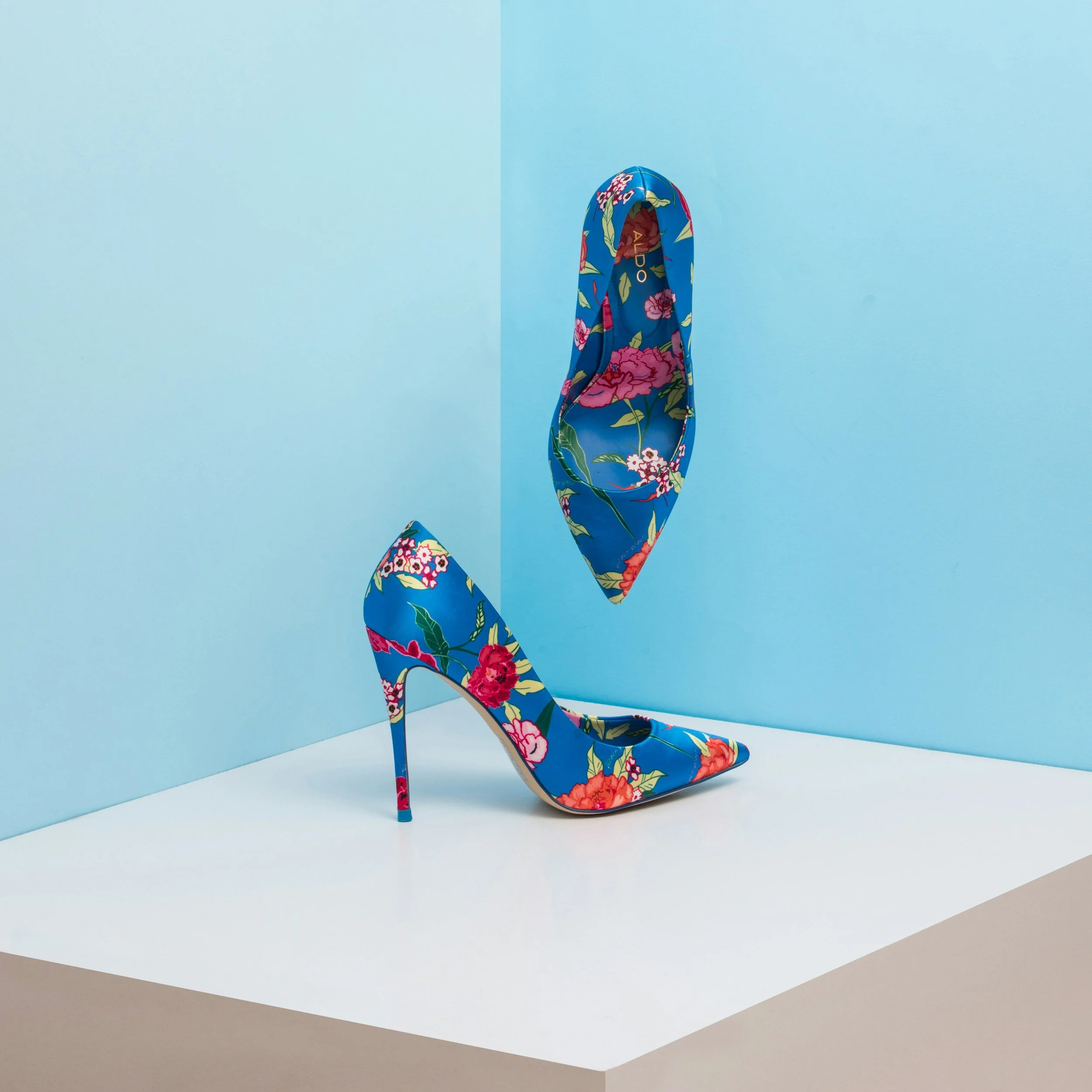
You don’t need a global icon like Apple, Nike, or Starbucks. But you do need a visual identity that feels intentional. For product branding, this can include:
Sub-logos
Unique typography
Color variations
Distinct packaging layouts
The goal isn’t to be flashy. It’s to build brand recognition around specific products that your business offers.
So, when someone sees your product from across the room or halfway down a scroll, they should know it’s yours.
Brand positioning
This is where many small businesses hesitate. Positioning answers several questions: Who is this product for? What problem does it solve? Why is it different from other options? Without clear positioning, you compete on price. With clear positioning, you compete on value. And value wins long-term.
Related: Guide to Brand Management Services
The real benefits of product branding
When product branding is done well, growth becomes more natural. Here are several key benefits of this approach to branding:
You attract a specific market
People gravitate toward products that reflect their identity, values, and lifestyle. When your product branding is clear, you’re not trying to appeal to everyone. You’re speaking directly to the people who already resonate with what you stand for. This kind of clarity does two important things:
It filters out the wrong audience.
It draws in the right customers faster.
If someone lands on your page, sees your product, and thinks, “This feels like me,” you’ve done your job. Because when people feel seen, they don’t just buy. They become loyal customers. And loyal customers convert more easily, refer more confidently, and stick around longer.
You build instant recognition
Consistency across messaging and visuals creates familiarity. And familiarity builds trust. When your product shows up the same way every time (in tone, color, imagery, and positioning), your audience doesn’t have to work to understand it. They recognize it instantly.
That split-second recognition matters. It means they’re more likely to pause when they see it, more likely to remember it when they need it, and more likely to recall it when someone asks for a recommendation.
This kind of recognition isn’t just about flashy design. It’s about repetition with intention. The more consistent your product branding, the more rooted your product becomes in your customer’s mind.
You strengthen your competitive edge
When your product owns a clear space in the market, competitors have a harder time stepping into your lane. Not because you’re louder, but because you’re clearer. If your positioning is vague, customers compare you on price. However, If your positioning is sharp, customers compare you on value.
Strong product branding makes it obvious who your product is for, what it does best, and why it exists. When that space is well-defined, competitors look like variations, not replacements. This clarity helps build your authority, and authority creates advantage.
You build loyalty
Loyalty doesn’t happen by accident. It’s built when customers consistently experience clear messaging, consistent quality, and a product identity they connect with. When people know what to expect and you deliver on it every time, trust compounds.
And trust is what turns first purchases into repeat purchases, repeat purchases into brand preference, and brand preference into advocacy. And effective product branding makes these connections repeatable. It reinforces the same identity, the same promise, the same feeling over and over again. This repetition shows dependability, and dependable brands grow.
Related: Does Your Business Need a Brand Consultant?
Examples of successful product branding
Check out the following examples of highly successful product branding:

Cigar City Cider and Mead
Right here in the Tampa Bay area, Cigar City Cider & Mead has created product identities that feel expressive, nostalgic, and memorable. Each cider or mead isn’t just a beverage. It has a name, a personality, a vibe.
This individuality makes it easy for customers to remember their favorite, recommend it to friends, and come back for it specifically. This is product branding in action without a global budget.
Apple
Think about the iPhone or MacBook. Each product has its own positioning, messaging, and launch identity, yet still clearly belongs to the Apple ecosystem. Customers don’t just buy “from Apple.” They buy a specific product with a specific experience attached to it.
Nike
Air Jordans are a powerful example of product branding. While they belong to Nike, they’ve developed their own identity, audience, and cultural weight. There’s even a separate sub-page just for Jordans connected to the Nike site. That’s the strength of clear product positioning and consistency over time.
Related: What Do Branding Agencies Do for Businesses?
How to improve product branding for your business
If you’re a small business owner wondering where to begin, start here:
1. Clarify who the product is truly for
Be specific. Not “women 25 to 45” or “small businesses.” Think deeper. What stage are they in? What are they frustrated by? What are they trying to become? The clearer you are about who this product serves, the easier it becomes to shape everything else around them. When you know the person, you can design for them and not for the masses.
2. Define the personality and tone
If your product walked into a room, how would it carry itself? Is it calm and reassuring? Bold and disruptive? Refined and elevated? Playful and energizing? Your tone of voice should reflect both your audience and your positioning.
This personality becomes the throughline across captions, product descriptions, emails, and campaigns. It keeps your messaging rooted instead of reactive.
3. Align visuals with that personality
Your colors, typography, photography style, and packaging should reinforce the same story your words are telling. So, if your product is positioned as premium, your visuals shouldn’t feel chaotic. If it’s youthful and energetic, your design shouldn’t feel overly formal. When visuals and voice align, your brand feels intentional. And intention builds credibility.
4. Ensure messaging is consistent everywhere
This is where many small businesses slip. One platform sounds polished. Another sounds casual. A third sounds completely different. Consistency doesn’t mean robotic repetition.
It means reinforcing the same core message and identity across every touchpoint, including websites, ads, social channels, and even packaging. Customers should feel like they’re interacting with the same product, no matter where they encounter it.
5. Repeat that story until it sticks
Product branding isn’t a one-time launch announcement. It’s reinforcement. You may feel like you’ve said it a hundred times. Your audience has likely only absorbed it a handful. Clarity requires repetition. And repetition builds recognition.
Growth doesn’t come from doing everything at once. It comes from doing the right things consistently like refining, reinforcing, and showing up with the same message until your product doesn’t just exist in the market. It belongs there.
Related: How To Create a Brand Persona
Partner with Grove Brands and bring your product branding to life!
At Grove Brands, we believe in protecting the roots while helping you grow toward the sun. Product branding isn’t about making noise. It’s about creating clarity. When your products carry their own clear identity aligned with your larger brand, marketing becomes simpler, audiences become more loyal, and growth becomes more sustainable.
If you’re ready to refine your product branding and build something unforgettable, let’s grow it together! Contact us for a free audit and start your journey towards sustainable business growth.