What Is a Mood Board? A Guide to Visual Direction in Branding & Design
Your company’s visual identity is a critical component of brand personality and overall perception, so clarity is essential from the earliest stages of development. A mood board helps ensure your team and your branding or web design agency are on the same page. But what is a mood board?
This guide will explore what exactly a mood board is and why it’s so important to create one before hands-on branding and web development begin.
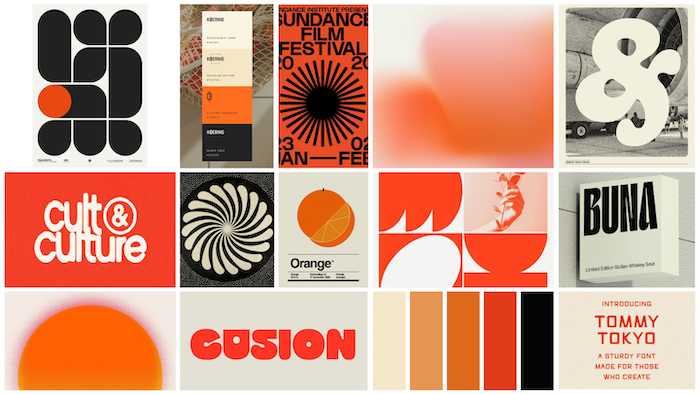
What Is a Mood Board?
A mood board is a visual collage that establishes the direction of a project. It can include images, colors, textures, typography, and other elements that help define the brand’s identity and shape a website’s user interface. For business owners working with professional agencies, it serves as a shared visual language that sets the aesthetic tone before development begins.
However, mood boards aren’t website mock-ups or finalized brand identities. Instead, they’re tools that help specify visual preferences and creative direction.
Physical boards may include printed photos, paper samples, fabric swatches, magazine clippings, packaging examples, and other tactile objects. These are great for retail, fashion, and hospitality brands that rely on physical branding.
Digital mood boards can include a wider variety of visual references and are easier to edit. This style is often preferred for web design, social media, digital advertising campaigns, and other web-based projects.
Why Mood Boards Matter Before Any Pixel Gets Designed
Visualization is a key component of branding and web design, so it’s important to establish your company’s aesthetic early in its development. Here’s why:
Establishing a Visual Foundation
When working with a professional agency, a mood board helps provide a reference point before the design process begins. It turns thoughts and ideas into tangible blueprints that ultimately guide a project’s visual direction.
Not everyone is comfortable with “design speak,” and many people struggle to envision various design elements, even when they understand the terminology. But a mood board takes the guesswork out of these early stages and enables decision-makers to identify exactly what feels right and what doesn’t.
Getting Stakeholder Buy-In Early
Whether you’re starting a new company, rebranding an existing business, or revitalizing an outdated website, you’ll work with a diverse team of experts to make your vision a reality. From graphic design and branding pros to marketing specialists, a lot of work goes into these projects.
If your team isn’t aligned upfront, you could face extensive corrections down the road, leading to lost time and wasted resources.
Mood Boards in Branding
Mood boards for branding can establish a company’s visual identity, helping customers better understand its personality.
Setting the Visual Language for a Logo or Identity System
When building a brand identity, a mood board can shape various design elements like color schemes, typography, and imagery before an official logo is ever finalized. It can help branding, marketing, and graphic design teams explore what a brand’s aesthetics should convey to the customer and refine visual elements to align with the company’s personality.
For example, a business that wants to appear premium but approachable might have the following qualities in a mood board:
Warm, restrained colors
Elegant but legible font
Natural photography
Subtle background textures
Ample white space
Understated graphic details
Mood Boards in Web Design
In web design, a mood board is used to translate a brand’s identity into a digital experience.
Establishing Look and Feel Before Wireframes
Before wireframing begins, a mood board can guide the direction of the user interface by establishing a basic layout style and visual tone. This protocol can help ensure the underlying site structure reinforces a brand’s identity through navigation, content hierarchy, and interactive elements.
What Goes Into an Effective Mood Board
No matter what project is behind your mood board, this collage will define certain design elements that directly impact the aesthetic of your end product. Here’s an overview of the heavy hitters:
Color Palette
Your color palette communicates a lot about your brand. In fact, it’s often the first characteristic people notice, informing their initial perception of your company. That’s why a consistent color scheme is typically the anchor of any mood board.
While a mood board may not necessarily establish a brand’s final color codes, it can help convey brand personality from the earliest stages of design. Qualities may include:
Warmth
Playfulness
Luxury
Energy
Natural or organic elements
Typography & Imagery
Fonts help reinforce the intended tone of a brand or project, shaping overall perception. For example, a luxury handbag company may opt for elegant, script-style typography, while an athletic clothing brand might choose bold, heavy letterforms that suggest energy and power.
Similarly, photographic and illustrative styles also support the broader brand aesthetic. After all, visual imagery can provide dramatically different experiences depending on:
Lighting style
Subject matter
Composition
Realism
Negative space
Textures & Background Patterns
Textures and background patterns add depth and dimension to a project, introducing another layer of visual personality. Elements like brush strokes, repeating motifs, grainy surfaces, fabrics, and linework can suggest qualities such as artistry, craftsmanship, warmth, or sophistication that are hard to convey with flat color and two-dimensional typeface.
How Grove Brands Uses Mood Boards in Our Process
Where this step fits into our branding and web design workflow
Soft close inviting readers to start a project
At Grove Brands, a mood board is a standard component of our branding and web design workflow. Depending on the nature of your project, we may ask you to complete a branding questionnaire that gives us detailed insight into your business and aesthetic preferences. From there, we will create a board that brings your vision to life.
Ready to set your project in motion? Get started today with a free consultation!